


Search
-
HVAC Equipment
-
Ductless Mini Splits
- Ductless Mini Splits
- Shop By Zone
- Shop by BTU
- Shop By Brand
- Components
- Accessories
-
HVAC Parts & Supplies
- HVAC Parts & Supplies
- HVAC Supplies
- HVAC Tools
-
HVAC Replacement Parts
- Blower Housing & Assemblies
- Blower Wheels
- Breakers, Contactors & Disconnects
- Capacitors & Transformers
- Control & Circuit Boards
- Filter Driers & Accumulators
- Gas Valves & Conversion Kits
- Heat Exchangers
- Thermal Expansion Valves (TXV)
- Temperature Controls
- Wall Brackets & Parts
- Miscellaneous Parts
- O-Rings & Gaskets
- Hydronics
- Motors
- Thermostats & Zoning
-
Plumbing
-
Pool
-
Electrical
-
Air Quality
-
Tools & Supplies
-
Door Security & Hardware


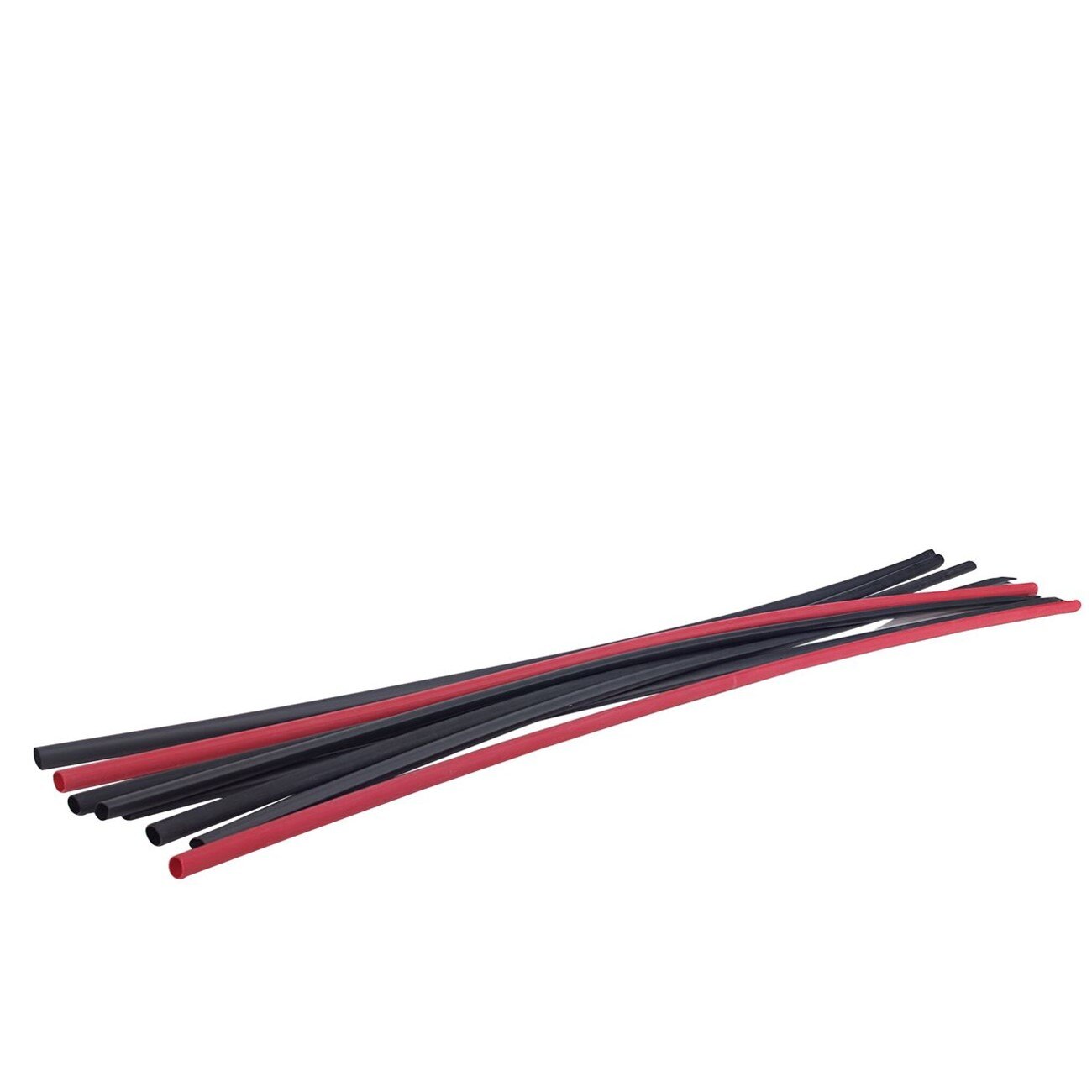

3M 7100034436 Heat Shrink Thin-wall Tubing FP-301 1 in

Ships in 4 - 5 Weeks
- $147.22
- $147.22
- Unit price
- / per
✓
Better Price in Cart
Manufacturer pricing rules prevent us from advertising our discount — no account or email required to see it.
-
Secure Payments
-
Easy Returns
-
Expert Advice
-
Fast Shipping
Product Description
The 3M 7100034436 is a thin-wall heat shrink tubing supplied on a small spool in a 48-inch length. Built from flexible polyolefin, this tubing shrinks uniformly when heat is applied, creating a snug, protective sleeve over wire splices, terminals, connectors, and bare conductors. It is stocked in black and sized at 1 inch nominal diameter before shrink. Electricians, HVAC technicians, and panel builders use this tubing to insulate and protect electrical connections in both field and shop applications. The flexible polyolefin construction resists moisture, abrasion, and common shop chemicals, making it a reliable choice for wire bundling and strain relief in low-voltage and line-voltage wiring assemblies.
This tubing is suited for residential and light commercial electrical work, control wiring, HVAC low-voltage harnesses, and general-purpose wire termination. The 48-inch spool length gives technicians enough material for multiple splices or a single longer run without excess waste. It performs well in tight wire troughs, panel enclosures, and field-spliced cable assemblies where a clean, durable insulation finish is required. The black color aids in identifying or color-coding specific wire groups within a harness.
Key Features
- Flexible polyolefin construction resists moisture, abrasion, and common chemicals
- 1 inch nominal pre-shrink diameter suits a wide range of conductor and connector sizes
- 48-inch length provides material for multiple terminations per spool
- Black color supports wire identification and harness organization
- Thin-wall profile maintains flexibility after shrink for use in confined spaces
Compatibility
Designed as a general-purpose thin-wall heat shrink sleeve compatible with standard electrical conductors, terminals, and connectors requiring a 1-inch nominal pre-shrink diameter insulation sleeve.
Installation Notes
Installation is typically performed by licensed electricians or HVAC technicians following applicable NEC requirements. De-energize all circuits before applying heat shrink tubing to any conductor or termination. Use a calibrated heat gun and apply heat evenly along the length of the tubing to achieve a uniform shrink without scorching the tubing or adjacent insulation. Avoid open flame tools, as uncontrolled heat can damage the tubing and underlying conductors.
Technical Specifications

Complete your install
We pulled together the parts most installs need for this unit, plus a few add-ons worth a look. Check what you need — nothing here blocks checkout.
Loading install accessories...
Add install kit to cart
—
Related Products
- Choosing a selection results in a full page refresh.