


Search
-
HVAC Equipment
-
Ductless Mini Splits
- Ductless Mini Splits
- Shop By Zone
- Shop by BTU
- Shop By Brand
- Components
- Accessories
-
HVAC Parts & Supplies
- HVAC Parts & Supplies
- HVAC Supplies
- HVAC Tools
-
HVAC Replacement Parts
- Blower Housing & Assemblies
- Blower Wheels
- Breakers, Contactors & Disconnects
- Capacitors & Transformers
- Control & Circuit Boards
- Filter Driers & Accumulators
- Gas Valves & Conversion Kits
- Heat Exchangers
- Thermal Expansion Valves (TXV)
- Temperature Controls
- Wall Brackets & Parts
- Miscellaneous Parts
- O-Rings & Gaskets
- Hydronics
- Motors
- Thermostats & Zoning
-
Plumbing
-
Pool
-
Electrical
-
Air Quality
-
Tools & Supplies
-
Door Security & Hardware


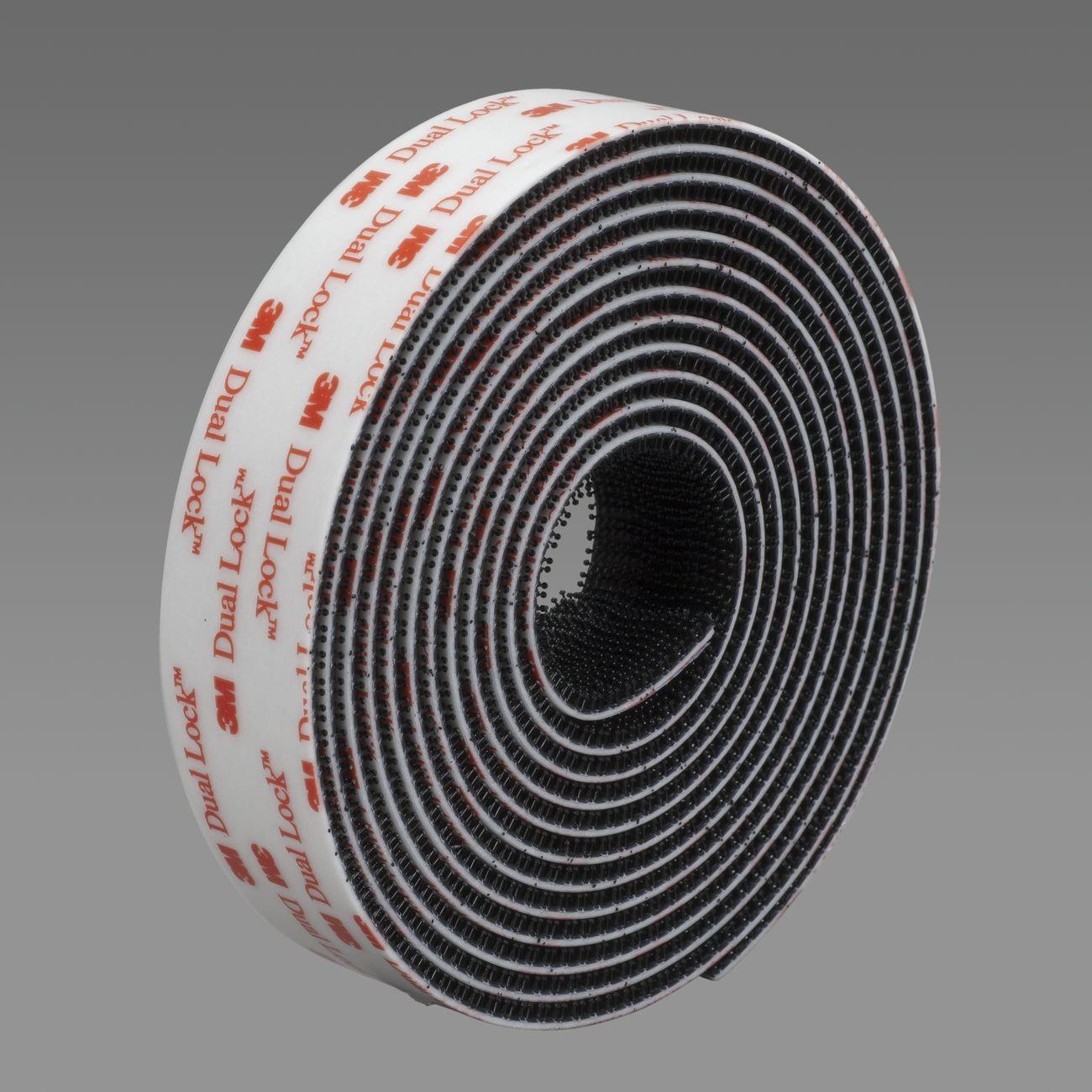

3M 7010415765 Dual Lock Reclosable Fastener Black 2x50yd

Ships in 4 - 5 Weeks
- $3,746.00
- $3,746.00
- Unit price
- / per
✓
Better Price in Cart
Manufacturer pricing rules prevent us from advertising our discount — no account or email required to see it.
-
Secure Payments
-
Easy Returns
-
Expert Advice
-
Fast Shipping
Product Description
The 3M 7010415765 is a black reclosable fastener strip with a general-purpose acrylic pressure-sensitive adhesive backing. Built from polypropylene, this Dual Lock fastener delivers 250 stems per square inch and an engaged thickness of 0.23 inches, producing a firm mechanical closure that can be opened and closed up to 1,000 times before replacement is needed. Rated for high-temperature performance up to 200 degrees F, it holds reliably in both indoor and outdoor environments. Each roll measures 2 inches wide by 50 yards long. Installers in HVAC, electrical, and general trade applications use this fastener to secure panels, covers, wire bundles, and access doors without permanent hardware.
This fastener strip is suitable for residential and commercial applications wherever a reusable, tool-free closure is needed. It bonds directly to metals including aluminum and stainless steel, glass, and high-surface-energy plastics such as acrylic, polycarbonate, and ABS. Common trade uses include securing HVAC access panels, equipment covers, cable management, and control enclosures where repeated access is required. The acrylic adhesive backing allows direct application to prepared surfaces without additional fasteners or mounting hardware.
Key Features
- 250 stems per square inch for firm mechanical closure on opposing strips
- Closure life rated at 1,000 open-and-close cycles
- High-temperature rated up to 200 degrees F for use near heat sources
- General-purpose acrylic adhesive backing bonds to metals, glass, and high-surface-energy plastics
- Suitable for both indoor and outdoor environments
- Black polypropylene construction resists moisture and UV exposure
Compatibility
Bonds to metals including aluminum and stainless steel, glass, and high-surface-energy plastics such as acrylic, polycarbonate, and ABS. For use with opposing 3M Dual Lock fastener strips to form a complete closure system.
Installation Notes
Surface preparation is critical before applying the adhesive backing — clean all substrate surfaces free of dust, oil, and moisture prior to application. Apply firm, even pressure along the full length of the strip to ensure proper adhesive contact. When used in HVAC or electrical enclosure applications, ensure power to the equipment is off before servicing panels or covers. Removal and repositioning may reduce adhesive bond strength; avoid repeated peel-and-restick cycles on the adhesive side.
Technical Specifications

Complete your install
We pulled together the parts most installs need for this unit, plus a few add-ons worth a look. Check what you need — nothing here blocks checkout.
Loading install accessories...
Add install kit to cart
—
Related Products
- Choosing a selection results in a full page refresh.