


Search
-
HVAC Equipment
-
Ductless Mini Splits
- Ductless Mini Splits
- Shop By Zone
- Shop by BTU
- Shop By Brand
- Components
- Accessories
-
HVAC Parts & Supplies
- HVAC Parts & Supplies
- HVAC Supplies
- HVAC Tools
-
HVAC Replacement Parts
- Blower Housing & Assemblies
- Blower Wheels
- Breakers, Contactors & Disconnects
- Capacitors & Transformers
- Control & Circuit Boards
- Filter Driers & Accumulators
- Gas Valves & Conversion Kits
- Heat Exchangers
- Thermal Expansion Valves (TXV)
- Temperature Controls
- Wall Brackets & Parts
- Miscellaneous Parts
- O-Rings & Gaskets
- Hydronics
- Motors
- Thermostats & Zoning
-
Plumbing
-
Pool
-
Electrical
-
Air Quality
-
Tools & Supplies
-
Door Security & Hardware


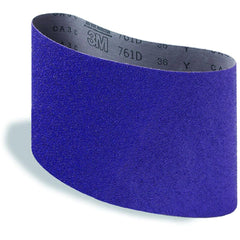
3M 7010401380 Abrasive Sanding Belt 29.5x7.875 Inch Cloth

Ships in 4 - 5 Weeks
- $161.17
- $161.17
- Unit price
- / per
✓
Better Price in Cart
Manufacturer pricing rules prevent us from advertising our discount — no account or email required to see it.
-
Secure Payments
-
Easy Returns
-
Expert Advice
-
Fast Shipping
Product Description
The 3M 7010401380 is a heavy-duty abrasive sanding belt built for high-material-removal applications on bare wood and non-gummy finishes. It uses a ceramic aluminum oxide mineral construction that cuts aggressively while running cooler than conventional abrasive belts, reducing heat buildup and extending belt life. The extra-durable cloth backing provides the flexibility and strength needed to hold up under sustained pressure in production or job-site environments. The non-directional splice allows the belt to be mounted in either orientation without affecting cut performance. Measuring 29.5 inches in length and 7.875 inches in width, this belt fits standard wide-belt and stroke-sander configurations used by flooring contractors, finish carpenters, and cabinet shops.
This belt is suited for sanding bare wood surfaces, hardwood floors, panel goods, and similar substrates where fast stock removal and a consistent scratch pattern are required. It is commonly used in production shop environments and on larger finish-carpentry projects where belt longevity and throughput directly affect labor efficiency. The ceramic mineral composition makes it particularly effective on hardwoods and dense materials that wear out aluminum oxide belts quickly.
Key Features
- Ceramic aluminum oxide mineral for aggressive, fast-cutting action
- Extra-durable cloth backing resists tearing and flexing under load
- Non-directional splice allows installation in either belt orientation
- Runs cooler than conventional abrasive belts, reducing workpiece heat damage
- Optimized for bare wood and non-gummy finishes
- Sold individually; minimum order quantity of 10 units
Compatibility
Designed for use on wide-belt sanders and stroke sanders that accept a 29.5-inch by 7.875-inch abrasive belt. Confirm platen and contact-roll dimensions on the sander before installation.
Installation Notes
Sanding belts of this size are typically installed and serviced by finish carpenters, cabinet makers, or flooring professionals operating wide-belt or stroke-sander equipment. Power down and disconnect the sander from its power source before changing the belt. Verify belt tracking adjustment after installation and run the machine briefly at low load to confirm the belt seats correctly before returning to full production. Inspect the platen and contact roll for wear or debris that could cause uneven belt wear or premature failure.
Technical Specifications

Complete your install
We pulled together the parts most installs need for this unit, plus a few add-ons worth a look. Check what you need — nothing here blocks checkout.
Loading install accessories...
Add install kit to cart
—
Related Products
- Choosing a selection results in a full page refresh.