


Search
-
HVAC Equipment
-
Ductless Mini Splits
- Ductless Mini Splits
- Shop By Zone
- Shop by BTU
- Shop By Brand
- Components
- Accessories
-
HVAC Parts & Supplies
- HVAC Parts & Supplies
- HVAC Supplies
- HVAC Tools
-
HVAC Replacement Parts
- Blower Housing & Assemblies
- Blower Wheels
- Breakers, Contactors & Disconnects
- Capacitors & Transformers
- Control & Circuit Boards
- Filter Driers & Accumulators
- Gas Valves & Conversion Kits
- Heat Exchangers
- Thermal Expansion Valves (TXV)
- Temperature Controls
- Wall Brackets & Parts
- Miscellaneous Parts
- O-Rings & Gaskets
- Hydronics
- Motors
- Thermostats & Zoning
-
Plumbing
-
Pool
-
Electrical
-
Air Quality
-
Tools & Supplies
-
Door Security & Hardware


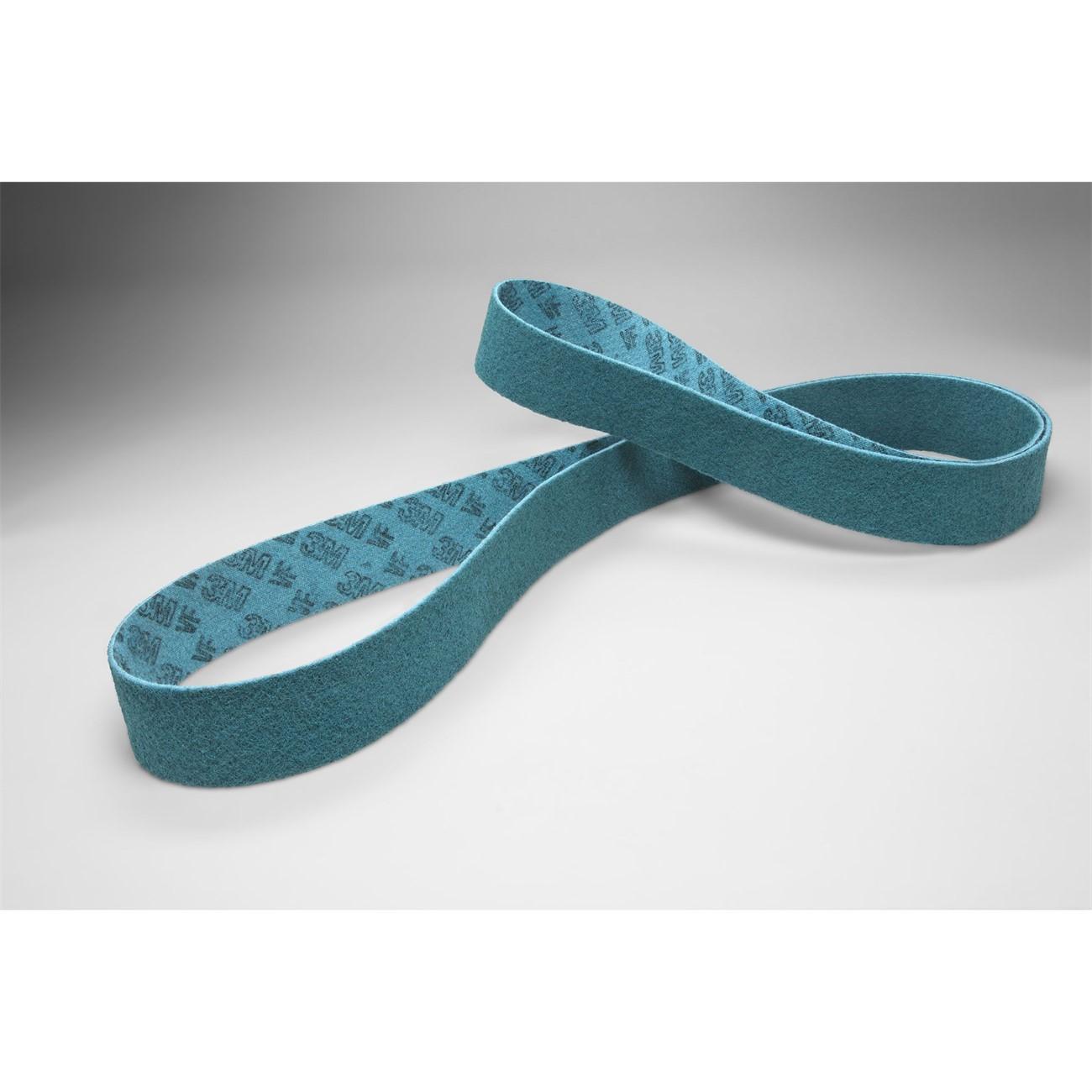
3M 7010329253 Scotch-brite Surface Conditioning Belt 64x1 in

Ships in 4 - 5 Weeks
- $274.60
- $274.60
- Unit price
- / per
✓
Better Price in Cart
Manufacturer pricing rules prevent us from advertising our discount — no account or email required to see it.
-
Secure Payments
-
Easy Returns
-
Expert Advice
-
Fast Shipping
Product Description
The 3M 7010329253 is a Scotch-Brite Surface Conditioning Low Stretch Belt designed for surface finishing and blending applications across a range of metal and non-metal substrates. Built with a durable polyester scrim backing, it resists stretching under tension, making it well suited for consistent, controlled finishing passes. The non-woven nylon fiber construction works the surface while preserving part geometry, and the open web structure resists loading to extend abrasive service life. Aluminum oxide mineral bonded with resin provides reliable cutting action without aggressive stock removal. Measuring 64 inches long and 1 inch wide, this belt fits standard bench-mounted and machine-mounted belt grinders used in fabrication and finishing operations.
This belt is used in metal fabrication shops, maintenance facilities, and manufacturing environments where surface conditioning is required without altering part dimensions. It performs across a variety of substrates including stainless steel, brass, and other metals. Typical applications include deburring, blending weld seams, and light stock removal where marring the substrate must be avoided. The moderate strength and flexibility of this belt make it effective in multi-step finishing sequences, moving between cutting and finishing stages without needing to change belt types.
Key Features
- Durable polyester scrim backing minimizes stretch during belt-grinder operation
- Non-woven springy nylon fibers finish surfaces while maintaining workpiece geometry
- Open web construction resists loading, extending usable abrasive life
- Aluminum oxide mineral with resin bond for consistent surface conditioning
- Compatible with a variety of substrates including stainless steel and brass
- 64 inch length and 1 inch width fit standard machine-mounted belt grinder configurations
Compatibility
Designed as an OEM-style replacement or direct-fit abrasive belt for standard belt grinding and surface conditioning machines that accept a 64 inch by 1 inch belt size.
Installation Notes
Installation is typically performed by a machinist, fabricator, or maintenance technician. Power down and de-energize the belt grinder completely before changing the belt. Confirm belt tracking and tension are correctly set before resuming operation, following the grinder manufacturer guidelines. Inspect the belt for tears or separation at the splice before each use.
Technical Specifications

Complete your install
We pulled together the parts most installs need for this unit, plus a few add-ons worth a look. Check what you need — nothing here blocks checkout.
Loading install accessories...
Add install kit to cart
—
Related Products
- Choosing a selection results in a full page refresh.