


Search
-
HVAC Equipment
-
Ductless Mini Splits
- Ductless Mini Splits
- Shop By Zone
- Shop by BTU
- Shop By Brand
- Components
- Accessories
-
HVAC Parts & Supplies
- HVAC Parts & Supplies
- HVAC Supplies
- HVAC Tools
-
HVAC Replacement Parts
- Blower Housing & Assemblies
- Blower Wheels
- Breakers, Contactors & Disconnects
- Capacitors & Transformers
- Control & Circuit Boards
- Filter Driers & Accumulators
- Gas Valves & Conversion Kits
- Heat Exchangers
- Thermal Expansion Valves (TXV)
- Temperature Controls
- Wall Brackets & Parts
- Miscellaneous Parts
- O-Rings & Gaskets
- Hydronics
- Motors
- Thermostats & Zoning
-
Plumbing
-
Pool
-
Electrical
-
Air Quality
-
Tools & Supplies
-
Door Security & Hardware


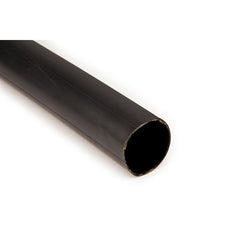
3M 7000132512 Heat Shrink Medium-wall Cable Sleeve Imcsn

Ships in 4 - 5 Weeks
- $728.73
- $728.73
- Unit price
- / per
✓
Better Price in Cart
Manufacturer pricing rules prevent us from advertising our discount — no account or email required to see it.
-
Secure Payments
-
Easy Returns
-
Expert Advice
-
Fast Shipping
Product Description
The 3M 7000132512 is a medium-wall heat shrink cable sleeve from the IMCSN series, designed for electrical insulation and mechanical protection on cables, bus bars, and splices. Manufactured from split-resistant cross-linked polyolefin, this sleeve shrinks quickly with applied heat and bonds to the underlying surface via a factory-applied thermoplastic adhesive sealant. The sealant softens during heating, flows into small voids, and remains flexible under prolonged adverse environmental conditions. Each sleeve is 48 inches in length and is sold in cases of 20. Licensed electricians and cable technicians working in industrial and commercial environments are the primary installers of this product.
This sleeve is well suited for bus bar insulation, phase rejacketing, and general cable protection in industrial electrical systems. The medium-wall construction offers greater flexibility than heavy-wall alternatives such as the ITCSN series, making it a practical choice in installations where cable routing requires bending after termination. The factory-applied adhesive sealant makes the 48-inch length appropriate for environments where moisture ingress and corrosion resistance are required. Note that the 25-foot reel version of this sleeve is uncoated and does not include the adhesive sealant layer.
Key Features
- Cross-linked polyolefin construction provides split resistance and long-term durability
- Factory-applied thermoplastic adhesive sealant bonds to underlying surfaces and fills voids during shrink
- Medium-wall design offers greater flexibility compared to heavy-wall ITCSN sleeves
- Resists abrasion, corrosion, and chemical exposure
- Fast-shrink characteristics reduce installation time with minimal training required
- Standard 48-inch lengths sold 20 per case
Compatibility
Designed for bus bar insulation and phase rejacketing applications in industrial and commercial electrical systems. Suitable for use wherever a medium-wall adhesive-lined heat shrink sleeve is specified for cable protection and environmental sealing.
Installation Notes
Installation is performed by qualified electricians or cable termination technicians. De-energize and lock out the circuit before applying any heat shrink sleeve to live conductors or bus bar assemblies, in accordance with NFPA 70E arc flash and electrical safety requirements. Apply heat evenly along the sleeve using an appropriate heat gun, working from the center outward to prevent air pockets from forming under the sealant layer. Do not use open flame as a heat source, as uneven heating can degrade the sleeve material and prevent proper adhesive bonding.
Technical Specifications

Complete your install
We pulled together the parts most installs need for this unit, plus a few add-ons worth a look. Check what you need — nothing here blocks checkout.
Loading install accessories...
Add install kit to cart
—
Related Products
- Choosing a selection results in a full page refresh.