


Search
-
HVAC Equipment
-
Ductless Mini Splits
- Ductless Mini Splits
- Shop By Zone
- Shop by BTU
- Shop By Brand
- Components
- Accessories
-
HVAC Parts & Supplies
- HVAC Parts & Supplies
- HVAC Supplies
- HVAC Tools
-
HVAC Replacement Parts
- Blower Housing & Assemblies
- Blower Wheels
- Breakers, Contactors & Disconnects
- Capacitors & Transformers
- Control & Circuit Boards
- Filter Driers & Accumulators
- Gas Valves & Conversion Kits
- Heat Exchangers
- Thermal Expansion Valves (TXV)
- Temperature Controls
- Wall Brackets & Parts
- Miscellaneous Parts
- O-Rings & Gaskets
- Hydronics
- Motors
- Thermostats & Zoning
-
Plumbing
-
Pool
-
Electrical
-
Air Quality
-
Tools & Supplies
-
Door Security & Hardware


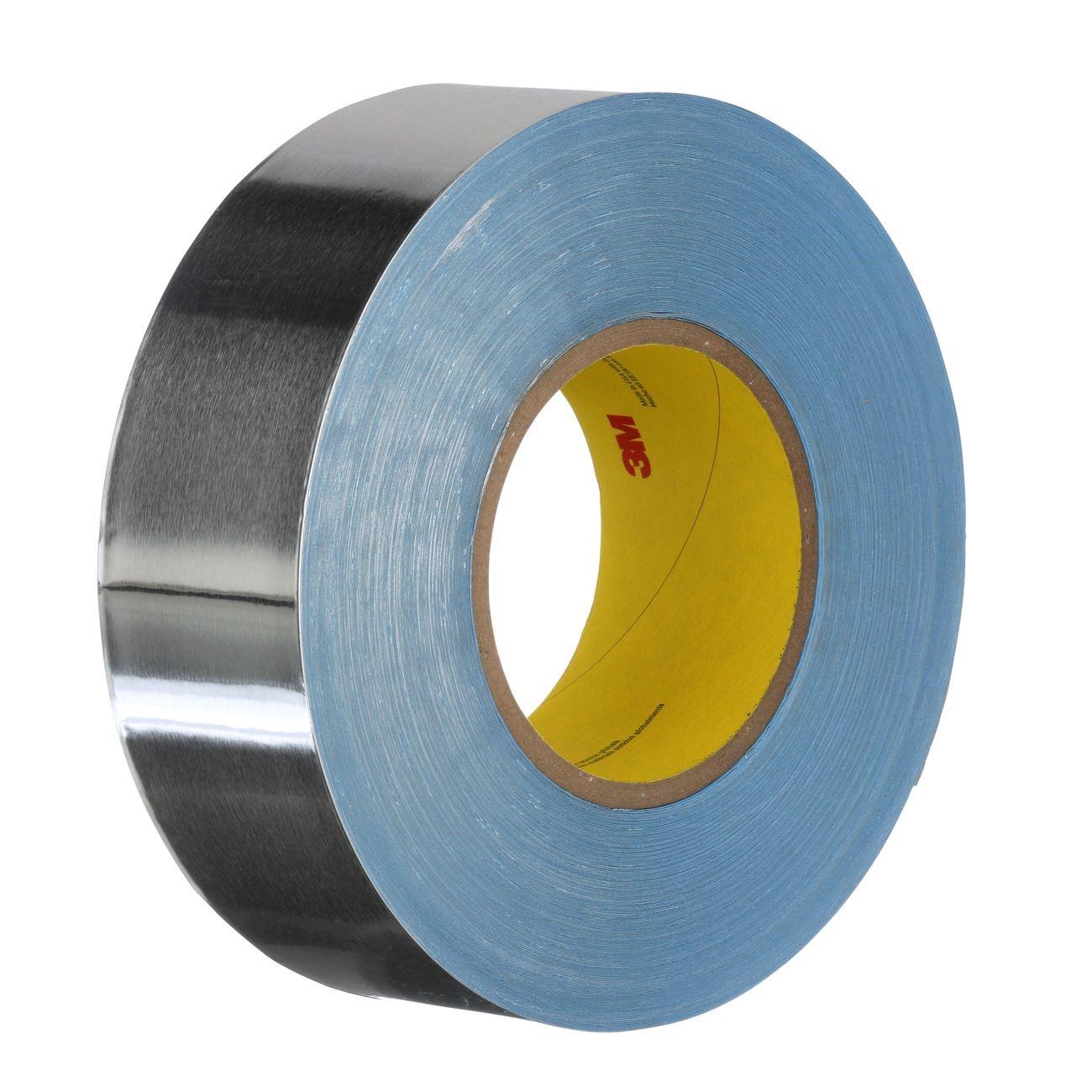
3M 7000049093 Vibration Damping Foil Tape 2 in X 60 Yd

Ships in 4 - 5 Weeks
- $7,038.91
- $7,038.91
- Unit price
- / per
✓
Better Price in Cart
Manufacturer pricing rules prevent us from advertising our discount — no account or email required to see it.
-
Secure Payments
-
Easy Returns
-
Expert Advice
-
Fast Shipping
Product Description
The 3M 7000049093 is a dead-soft aluminum foil tape engineered to absorb and dissipate mechanical vibration while reducing structure-borne noise. The constraining layer is coated with a viscoelastic acrylic polymer adhesive on a blue polyethylene easy-release liner. At 2 inches wide and 60 yards long per roll, it delivers consistent coverage across large surface areas. The pressure-sensitive construction eliminates the need for additional adhesives or heat activation, making it a straightforward solution for vibration control in demanding environments. Weighing 3.35 pounds per roll, it is practical to handle and apply on the job.
This tape is suited for residential and commercial applications across aerospace, automotive, construction, appliance, and MRO industries. Technicians and maintenance professionals apply it to panels, ductwork, enclosures, and structural components where vibration transmission and noise generation need to be controlled. Its cold-temperature resistance allows performance down to -76 degrees F, making it viable in refrigeration, outdoor mechanical, and low-ambient HVAC applications. The linered construction also supports die-cutting for precision fabrication in production environments.
Key Features
- Dead-soft aluminum foil constraining layer conforms to irregular surfaces without cracking
- Viscoelastic acrylic polymer adhesive converts vibrational energy to negligible heat that readily dissipates
- Cold-temperature rated to -76 degrees F for use in refrigeration and low-ambient mechanical systems
- Resists weathering and UV degradation for durable performance in outdoor and exposed installations
- Blue polyethylene easy-release liner supports clean application and die-cutting in fabrication workflows
- Pressure-sensitive adhesive bonds without heat activation or additional adhesives
Compatibility
Designed for vibration damping and noise reduction applications across aerospace, automotive, appliance, construction, and general MRO industries where a pressure-sensitive aluminum foil tape with viscoelastic damping properties is required.
Installation Notes
Applied by qualified technicians or maintenance professionals using standard surface preparation and hand-application tools. Clean and dry the substrate before application to ensure full adhesive contact. In HVAC or mechanical applications, de-energize the system and allow moving components to come to a complete stop before taping adjacent panels or enclosures. Do not stretch the foil during application, as deforming the constraining layer reduces damping efficiency.
Technical Specifications

Complete your install
We pulled together the parts most installs need for this unit, plus a few add-ons worth a look. Check what you need — nothing here blocks checkout.
Loading install accessories...
Add install kit to cart
—
Related Products
- Choosing a selection results in a full page refresh.